The success of reusable cups at events
The success of reusable cups at events is a topic that is receiving more and more attention in the events industry. With growing concern about the environmental impact of single-use plastic and the desire to live more sustainably, more and more organisers are choosing reusable cups. In this blog, we discuss why this trend is successful, the benefits for organisers and visitors, and some best practices for putting it into practice.
The rise of the reusable cup
Reusable cups have become increasingly popular in recent years, especially at music festivals, sporting events and other large-scale gatherings. The shift from single-use plastic to reusable alternatives is driven by several factors:
Environmental impact: disposable cups often end up in landfill or in nature, leading to pollution and damage to ecosystems. Reusable cups considerably reduce the amount of waste.
- Laws and regulations: more and more governments are introducing legislation that restricts the use of single-use plastic. This forces event organisers to look for alternative solutions.
- Public awareness: consumers are becoming increasingly aware of their ecological footprint and are willing to make sustainable choices, even if it means a little extra effort.
Benefits of reusable cups for organisers
- Long-term cost savings: although the initial investment in reusable cups is higher than for disposable cups, organisers can save costs in the long term. Reusable cups last for several events and waste management costs are reduced.
- Improved image: by adopting sustainable practices, organisers can improve their image and stand out as environmentally conscious. This can make them more attractive to both visitors and sponsors.
- Lower cleaning costs: with less waste on the ground, cleaning costs and the amount of work are considerably lower.
For visitors
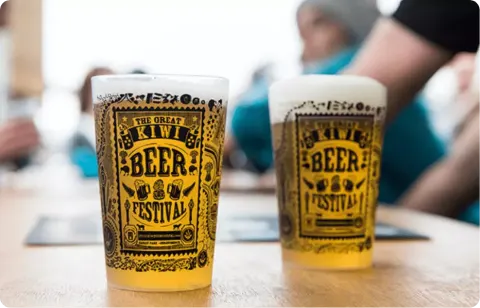
- A better drinking experience: reusable cups are often sturdier and more pleasant to drink from than thin disposable cups, which improves the overall event experience.
- Environmental friendliness: visitors feel good about contributing to a more sustainable event. This can increase their loyalty to an event.
- Souvenirs: in some cases, visitors may take the reusable cups home, which is a nice reminder of the event.
Best practices for implementation
- Communication: inform visitors in advance about the use of reusable cups. Explain why this is important and how it works.
- Collection and issue points: provide enough points where visitors can collect and return their cups and, if necessary, exchange them for clean ones.
- Working with suppliers: work with suppliers who have experience with reusable cups and can offer an efficient washing and redistribution service.
- Incentives and rewards: consider charging a small deposit for the cup, which visitors get back when they return it. This encourages them not to throw the cup away.
- Monitoring and evaluation: keep track of how the system works and collect feedback from visitors so that improvements can be made for future events.
Conclusion
Using reusable cups at events is an important step towards sustainability. It not only helps to reduce waste and protect the environment, but also offers practical benefits for organisers and visitors alike. By giving careful thought to implementation and communication, events can switch smoothly and successfully to this more sustainable solution. That way, we not only enjoy great events, but also contribute to a cleaner, greener future.